
Last Updated on October 1, 2026 by Wayne Rodick
Hydraulic systems run some of the toughest machinery out there – construction excavators, industrial presses, and plenty in between. When you understand what each part actually does, you spot trouble sooner, get more years out of your equipment, and avoid the kind of downtime that drains a budget fast. After years spent repairing and maintaining these systems across all sorts of industries, here’s what we’ve picked up.
The Hydraulic Pump: Where System Power Begins
Think of the pump as the heart of the whole setup. Its job is to take mechanical energy – usually from an electric motor or a combustion engine – and turn it into hydraulic flow. That flow builds the pressure that eventually moves your actuators and gets real work done.
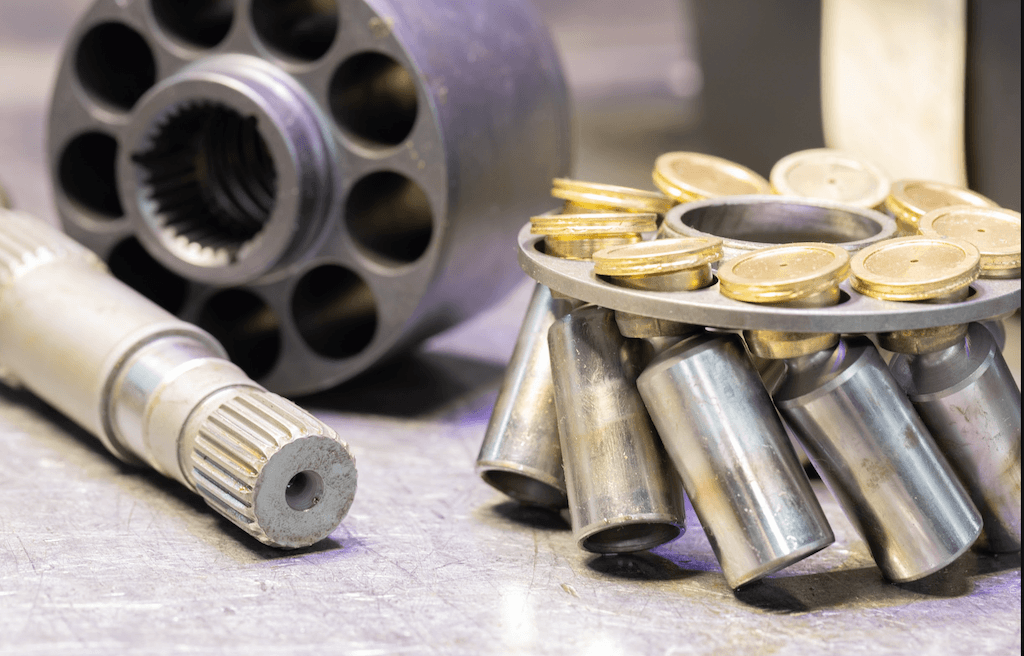
Most of the time, we’re dealing with one of three types: gear pumps, vane pumps, or piston pumps. Gear pumps are simple and tough, which makes them a solid choice for lower-pressure jobs. Piston pumps shine when the pressure demands climb. Picking the wrong pump for the application? That’s one of the most common mistakes we run into at Coastal Hydraulics, and essential hydraulic components repair is rarely cheap when it comes to fixing it.
Hydraulic Cylinders and Motors: Converting Pressure Into Motion
Once the pump pushes out pressurized fluid, the actuators take over and turn that pressure into movement you can use. These are some of the hardest-working components in a hydraulic system. Cylinders give you linear motion – picture a bulldozer blade driving forward. Motors handle the rotary side, powering conveyor belts, winches, and anything that needs to spin.
Worn cylinder seals are something we diagnose constantly. A bad seal lets fluid leak internally, which cuts down your force output and quietly wastes energy. The good news is that regular inspections catch this early, well before it turns into full cylinder failure and keeps everything working at full strength.
Control Valves: Managing Direction, Pressure, and Flow Rate
Valves decide how fluid travels through the system. Directional control valves point the fluid where it needs to go. Pressure control valves keep things safe by guarding against dangerous overpressure. Flow control valves handle actuator speed by adjusting how fast the fluid moves.
Here’s a pattern we see again and again: contamination in the valves is behind a huge share of the failures we investigate. A bit of debris stuck in a valve spool can cause jerky movement, sudden pressure spikes, or a complete stall. It’s a reminder that even the most reliable hydraulic system components depend on clean maintenance habits and good filtration whenever we touch a hydraulic circuit.
Hydraulic Fluid: The Medium That Makes Everything Work
Fluid does a lot more than just carry force around. It lubricates moving parts, pulls away heat, and keeps metal surfaces from rusting. Choosing the right one really matters. Viscosity has to match the operating temperature your equipment actually works in – pick wrong, and you’ll get sluggish performance in the cold or chewed-up components when things heat up.
Contamination is the big one here. Water creeping in, oxidation, particles building up over time – this is the single biggest reason components fail before their time in the systems we look after. Our advice: schedule fluid analysis on a regular basis. Don’t wait for something to go wrong before you check.
Filters and Reservoirs: The Foundation of Long-Term System Health
The reservoir holds the fluid and gives it a chance to shed heat between cycles. Like all parts of hydraulic system design, a well-designed one also lets air and contaminants settle out before the fluid heads back into the pump. Size makes a real difference – go too small, and you’re looking at overheating and fluid that breaks down far too quickly.
Filters, meanwhile, pull particles out as the fluid moves around:
- Suction filters protect the pump right at the inlet.
- Return-line filters grab debris before fluid flows back into the reservoir.
- Pressure filters sit just past the pump to shield precision parts like servo valves.
We check filter condition on every single service visit. A clogged filter usually points to a deeper contamination problem, and that’s something you want to deal with sooner rather than later.
The Synergy of Hydraulic Components Keeps Your System Running
Nothing in a hydraulic system works on its own. The pump needs clean fluid. The valves need steady pressure. The actuators rely on precise flow. Everything’s connected, so a fault in one corner has a way of spreading trouble somewhere else before long.
From what we’ve seen out in the field, the businesses that dodge expensive breakdowns are the ones treating their hydraulic system parts as a connected whole, not just a pile of separate pieces. Regular servicing, fluid analysis, and acting on early warning signs – those habits are what separate a system that lasts for decades from one that quits early.
Not sure where your hydraulic system stands? Our team is happy to take a look. Get in touch whenever you’d like to schedule an inspection or maintenance service.
FAQs
What Causes My Hydraulic System To Overheat?
There is a finite number of reasons why hydraulic systems overheat. The inadequate or small volume of the reservoir prevents the proper cooling of the hydraulic fluid; contamination and clogging of the fluid and filters make the system work excessively. Furthermore, internal leaks through worn seals or valves cause overheating since the system cannot maintain the proper amount of pressure within. Start by verifying the level and condition of the hydraulic fluid; in case the issue persists, make sure you have someone check seals and the size of the reservoir because heat damages the hardware severely.
How Do I Know The Pump Is Going Bad?
Some indicators usually appear before the failure of a hydraulic pump occurs. Pay attention to whining or other kinds of noise as they indicate that there is some issue with the pump. In addition, listen to abnormal sounds, such as knocking, which might be a sign that there is air within the system or the pump itself. Jerky movement of your equipment’s actuators, decreased pressure, rising fluid temperature, and leaking around the housing of the pump all require prompt action.
How Often Should I Change Hydraulic Oil?
Firstly, there is no standard timeframe for replacing the fluid in any hydraulic system since it depends on several factors related to your particular equipment. However, instead of following a schedule of changing the hydraulic fluid regularly, we suggest analyzing the condition of the oil. This approach will help to avoid unnecessary expenses associated with premature changing of the oil or damaging the hardware with aged fluid.

Wayne Rodick is the owner and founder of Coastal Hydraulics, a company built on the principle of “Speed to Recovery.” A U.S. Navy veteran, Wayne developed extensive hydraulic expertise while maintaining F-18 fighter jets, where precision, reliability, and rapid service were critical. Today, he brings that same commitment to excellence to the hydraulic repair industry, leading a team dedicated to delivering fast, dependable repairs that minimize downtime and keep equipment operating at peak performance.