
Last Updated on October 1, 2026 by Wayne Rodick
Hydraulic systems drive the most advanced devices in the world, but they fail to perform once their temperature gets too high. With great experience in hydraulic system repair, inspection, troubleshooting, we know very well what problems overheated hydraulic oil may cause.
To put it simply, all hydraulic systems operate safely while their temperature does not go over 110 to 130 degrees. However, once it rises to 140, the liquid deteriorates, and a complete breakdown is highly probable. Therefore, it is crucial to understand why the oil gets too hot and what signs indicate it!
Causes of Oil Overheating
A number of common reasons why the oil temperature increases excessively exist. In the first place, contamination of hydraulic systems is among them. The matter is that the intrusion of foreign substances such as water or dust causes additional friction. Thus, the fluid cannot cool the parts anymore.
Moreover, environmental conditions play an important role here as well: operating equipment in the sun or without proper ventilation greatly decreases its ability to cool. When considering the hydraulic oil temperature range, it’s clear that exceeding the safe parameters can make these issues even more dangerous.
Last but not least, improper design of machines is another reason for excess heat. If you’re wondering how hot can hydraulic oil get? The answer depends on these critical factors.
Signs Indicating That the Oil Is Too Hot
The list in this section contains some of the signs of overheated hydraulic systems. Hydraulic oil overheating symptoms include slow operation, which is certainly something that you need to pay attention to. It occurs due to the deterioration of viscosity that leads to poor seals. Consequently, the components of hydraulics start leaking, and pumps and valves operate inefficiently.
Another symptom is a loud whining or knocking sounds. They appear due to the occurrence of cavitation caused by the inability to transfer fluid. Also, overheating accelerates the degradation process that causes rapid leaking of seals.
Consequences of Ignoring This Problem
It has become clear from the list above that this problem is highly urgent to solve. Firstly, high temperature hydraulic oil affects the quality of oil. It changes its composition through faster oxidation, which provokes the formation of sludge. It leads to the clogging of filters and valves and reduces efficiency of your machinery. Furthermore, overheating greatly endangers people’s lives as hoses become very fragile and easily breakable. Coastal Hydraulics has replaced countless pumps that broke down just because of the negligence of operators.
How to Avoid Oil Overheating
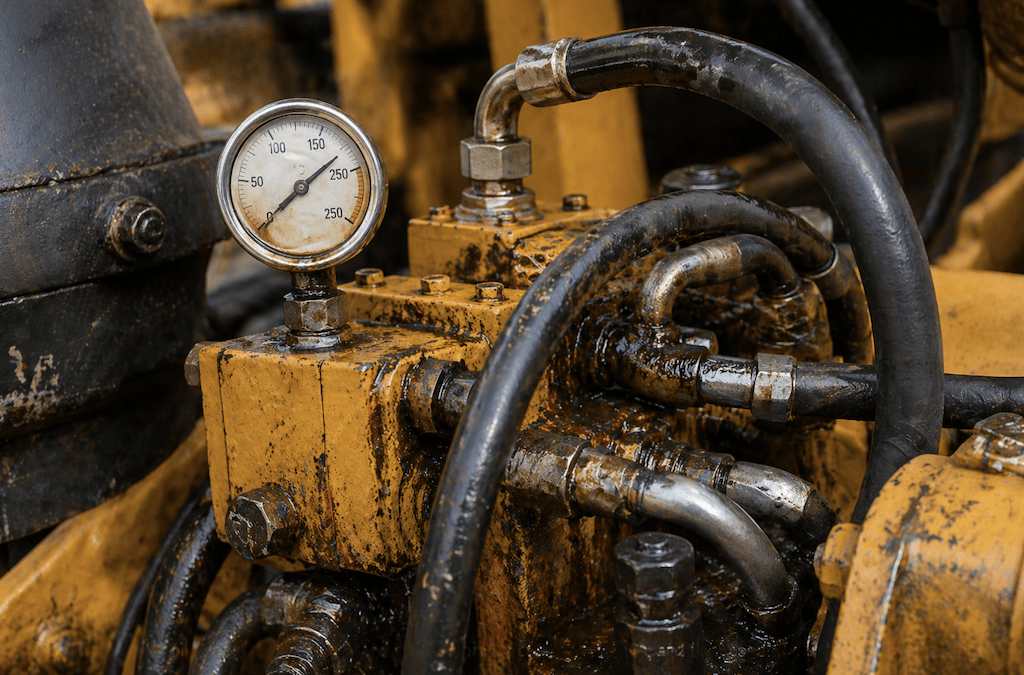
Maintaining the right temperature of hydraulic oil plays a key role in extending the service life of your equipment. Installing and monitoring a hydraulic oil temp gauge can help you detect overheating early, allowing for timely intervention. You should carry out inspections and testing of hydraulic fluid regularly to avoid overheating. We specialize in hydraulic systems troubleshooting and repair, and you can trust your machines to us. Contact us right now if your device gets hotter than usual!

Wayne Rodick is the owner and founder of Coastal Hydraulics, a company built on the principle of “Speed to Recovery.” A U.S. Navy veteran, Wayne developed extensive hydraulic expertise while maintaining F-18 fighter jets, where precision, reliability, and rapid service were critical. Today, he brings that same commitment to excellence to the hydraulic repair industry, leading a team dedicated to delivering fast, dependable repairs that minimize downtime and keep equipment operating at peak performance.