
Last Updated on October 1, 2026 by Wayne Rodick
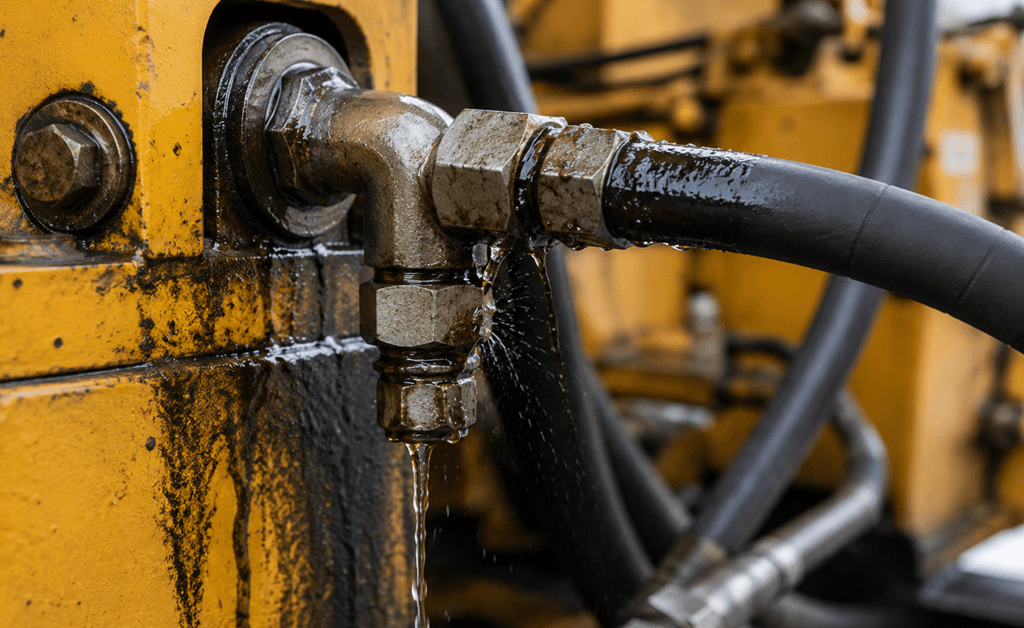
Leaking fluids from hydraulic hoses are not a pleasant discovery for anyone. Such leaks negatively affect the work performance, creating safety hazards and causing extra expenses. Any leak detected in the joint or fitting of your equipment needs immediate attention to avoid further destructions.
Being a team of specialists familiar with different kinds of hydraulic issues, we know exactly how difficult it may be to find a spot where your equipment starts to lose fluid at Coastal Hydraulics. Therefore, we have decided to offer you some useful tips on locating a problem spot and repairing it. Below, we are going to explain to you how we track the location of the leak and how we deal with it, including hydraulic hose repair.
Finding the Point of Fluid Loss
When dealing with any kind of leakages in the hydraulic system, you must first understand that safety comes before anything else. Hydraulic fluid is hazardous and may harm human skin severely, so you need to make sure that nothing like this happens. For this purpose, you shouldn’t touch any components of the machinery to track the spot where fluid may escape. It is recommended to take pieces of cardboard or wooden sticks and to run them around the suspect areas while your machine works. The appearance of marks on the material will tell you precisely where exactly the fluid leaks, which is an important first step in understanding how to repair a hydraulic hose, for example. Having found the spot, you need to establish whether your problem has emerged because of the hose, crimp, or fitting. Most frequently, the oil flows down from the outside of the hose, which makes you think that the leak appears at the fitting, but, actually, the hole can be much higher than that. To establish the exact point of leakage in the joint, clean the location and turn the machine on and off several times.Should I Perform a Repair Alone?
Discovering a leak at the joint spot, you may start wondering whether it is possible to fix the problem yourself. Sometimes, it can be performed easily when the leak is caused by machine vibration loosening the connection. Therefore, all you need to do in such a case is just tightening the joint, which can be a simple hydraulic hose fix. However, you have to remember following certain safety guidelines. It is necessary to make sure that the machine is switched off, and there is no pressure left in the system. Tightening a fitting under the flow of the fluid is quite risky, and this action may cause severe injuries and a dangerous explosion. After depressurizing your lines, we use appropriate tools to tighten the joint up to the needed torque. It is critical to be very cautious here. Tightening the joint too tightly can lead to breakage and cause additional troubles. In this case, the leak should be in the seals or the crimp.Should I Contact Specialists?
There are situations where it is better to entrust your problem to the professionals, and this situation is one of those. There are specific skills and tools required to repair any hydraulic joint, and therefore we strongly advise consulting our specialists on any difficult issues. If you show us a leaking joint, we will examine your equipment carefully to reveal the reason for this problem. Often, apart from the broken fitting, there may be various other aspects influencing the malfunction of the component. Thanks to our inspection, we can establish whether the leak has occurred due to improper routing, pressure, or inappropriate parts used. In addition to replacing the damaged parts, we can also replace worn out O-rings and fit a new hose to fix hydraulic hose issues properly. With our help, you can be sure that your machines will continue functioning properly and won’t cause any trouble to you.FAQs
Can I Apply Plumber Tape To Prevent Leakage?
By no means should you apply pipe and thread sealants to hydraulic joints. Seals used in such equipment are usually rubber seals or metal to metal ones, depending on the taper of the joint. Thus, putting a piece of tape will mean failing to put a joint right resulting in leakage. Also, bits of the material applied may enter the machine, damaging delicate components.Why Does A Joint Suffer From A Sudden Failure?
There may be various causes for a sudden failure. In most cases, this problem occurs due to vibrations, temperature changes, and wear. At times, a joint may fail owing to incorrect routing or inadequate torque applied during previous repairs.What Torque Is Required For A Joint?
Unfortunately, there is no answer to this question because the amount of torque depends on different factors including the type of material and diameter of the joint as well as its specific design. Thus, you should consult the manufacturers’ recommendation concerning the torque of your particular joint.Ensuring Safety and Performance
Finding the source of leakage and performing the necessary repairs alone is quite difficult and challenging. In some cases, the effort you have to put is worth it. Nevertheless, in other cases, if you have to face some mechanical failure, doing nothing about it is definitely not a good idea. Ignoring leakage in a hydraulic system leads to enormous losses for any company. That is why you are better to contact specialists in case of any problem. Contact Coastal Hydraulics right now, and we will help you to return to normal functioning!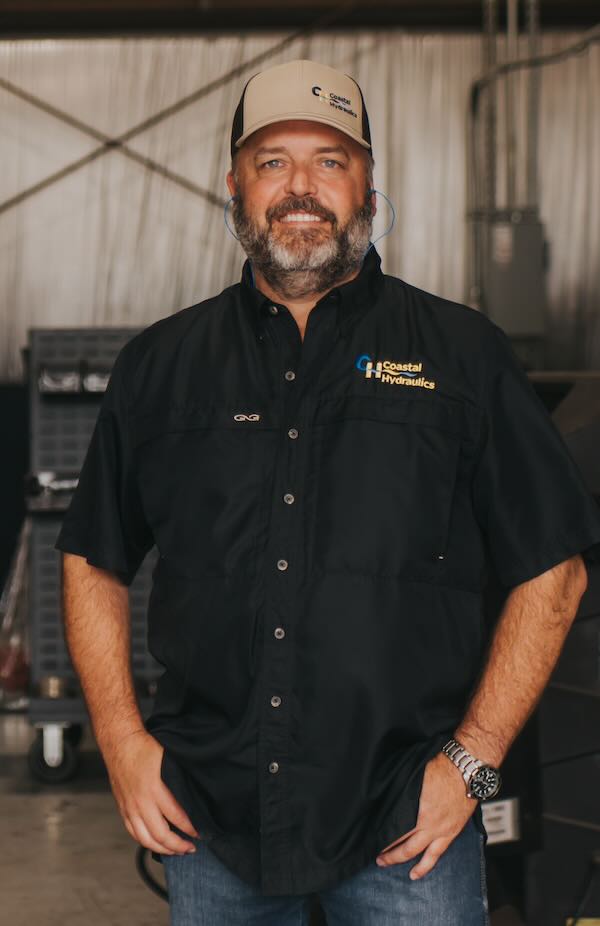
Wayne Rodick is the owner and founder of Coastal Hydraulics, a company built on the principle of “Speed to Recovery.” A U.S. Navy veteran, Wayne developed extensive hydraulic expertise while maintaining F-18 fighter jets, where precision, reliability, and rapid service were critical. Today, he brings that same commitment to excellence to the hydraulic repair industry, leading a team dedicated to delivering fast, dependable repairs that minimize downtime and keep equipment operating at peak performance.