
Last Updated on October 1, 2026 by Wayne Rodick
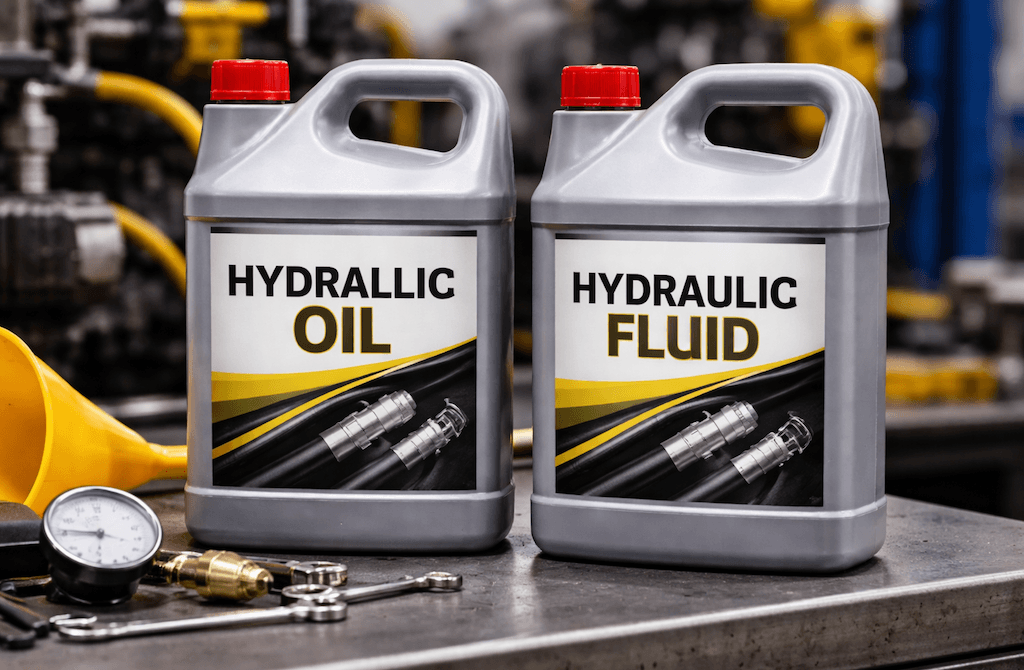
When talking to clients about hydraulic systems, there is one question that comes up more often than all the rest: is hydraulic oil the same as hydraulic fluid? This is a fair question, and there is a good reason for the confusion. The answer is a resounding “yes” and “no.” Hydraulic oil is indeed a type of hydraulic fluid, but not all hydraulic fluid is oil.
The best way to explain this is by using an analogy: all squares are rectangles, but not all rectangles are squares. This is a crucial difference between hydraulic oil and fluid for you to get right in order to keep your equipment in good working order. If you need specific advice regarding your machines, contact Coastal Hydraulics today!
Understanding the Composition
Hydraulic oil is a type of fluid that is derived from crude oil and is petroleum-based. This is the most common fluid in hydraulic systems and has been for decades. This oil has superior lubricating properties and can operate well in extreme temperatures. Understanding the hydraulic motor working process helps highlight why these qualities are so important.
Hydraulic fluid is the overall category of fluid and can consist of petroleum-based oil, as well as other synthetic and water-glycol-based fluids and even biodegradable fluids. This is where the difference really is: all of these have a completely different chemical composition. Understanding hydraulic fluid vs hydraulic oil is key to selecting the right option for your machinery.
As you can imagine, as a hydraulic specialist, we always look for what type of fluid the manufacturer recommends for the equipment when we go in to provide our services.
Where Each Type Works Best
Firstly, mineral oil–based hydraulic fluid is best suited for general industrial applications in which fire resistance is not a major concern. We find them in manufacturing plant equipment, construction machinery, and farm equipment. When comparing hydraulic oil vs fluid, it’s important to consider the environment and equipment requirements before making your choice.
Water-based hydraulic fluids are best suited for applications in which fire resistance is a major concern. Steel mills, foundries, and die-casting operations require these types of hydraulic fluids. They are much less flammable than petroleum-based products. The drawback is that they require more frequent servicing and are not quite as effective a lubricant.
Synthetic hydraulic fluids are at the top end of the spectrum. They are specialized products designed to provide maximum performance in extreme temperatures. They have better oxidation stability. While they are more expensive, they also have a longer service life. We recommend them for applications requiring maximum performance.
Choosing the Right Medium for Your System
When selecting a hydraulic fluid or medium, there are several considerations to make. First, temperature ranges are an important consideration. If you have a system in which extreme temperatures are a concern, the fluid should be able to maintain viscosity in extreme temperatures.
Environmental regulations are another consideration. If you have a system near a body of water or in an environmentally sensitive area, you may have to use a biodegradable hydraulic fluid. This is a legal requirement. Fire hazards are another consideration. If you have a system in which there are open flames or extremely high temperatures, a fire-resistant hydraulic fluid is a must.
As part of our hydraulic repairs and maintenance services, we make sure that the appropriate type of fluid is used for your application. We’ve seen many hydraulic systems damaged due to well-meaning operators who thought that all hydraulic fluids were created equal. They’re not, and this can cost you dearly.
Summary
If you are unsure about the type of hydraulic medium that you need in your system, you can always get in touch with us at Coastal Hydraulics. We are always here to assist you in making the right decisions that will keep your system in good working condition for years to come!
Wayne Rodick is the owner and founder of Coastal Hydraulics, a company built on the principle of “Speed to Recovery.” A U.S. Navy veteran, Wayne developed extensive hydraulic expertise while maintaining F-18 fighter jets, where precision, reliability, and rapid service were critical. Today, he brings that same commitment to excellence to the hydraulic repair industry, leading a team dedicated to delivering fast, dependable repairs that minimize downtime and keep equipment operating at peak performance.