
Last Updated on October 1, 2026 by Wayne Rodick
Watching a massive excavator effortlessly moving tons of earth or a beltway operating with neither stop nor pause in moving heavily laden loads, you can see the power of hydraulics at work. As hydraulics repair technicians at Coastal Hydraulics, our workday involves diagnosing, repairing, and maintaining such systems. First-hand experience tells us that sometimes it is the hydraulic motor working behind the scenes to make such systems work. Perhaps you have always wondered how fluid pressure is translated into massive rotational force?
Principles of Hydraulic Motors
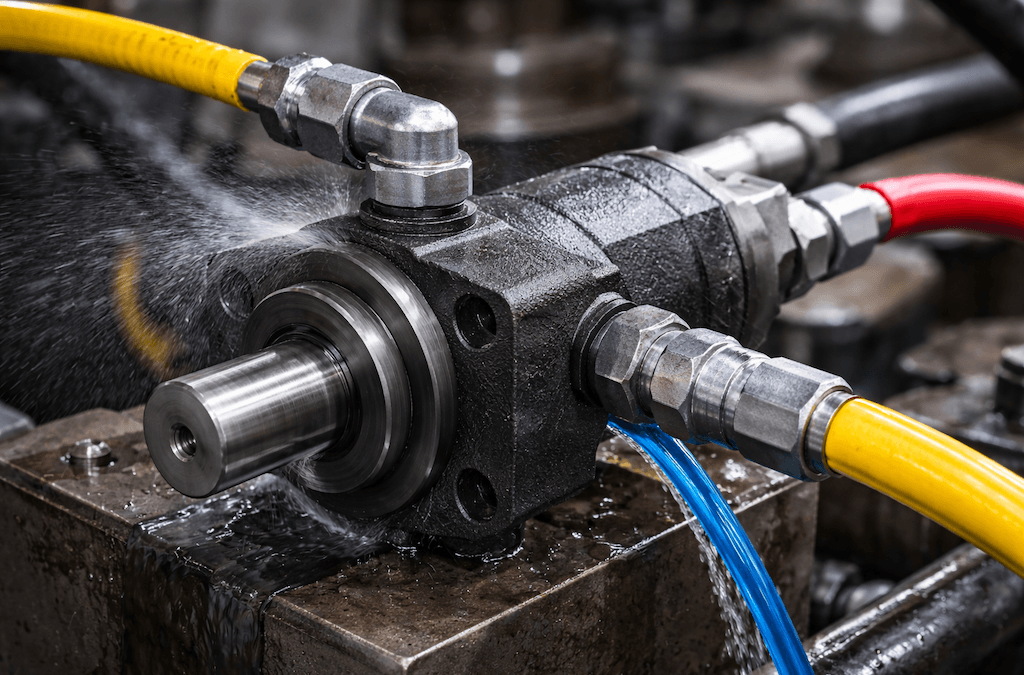
In essence, a hydraulic motor can be considered a mechanical device used to transform hydraulic power into mechanical power. How does a hydraulic motor work? Fundamentally, this can be regarded as a reverse procedure of that involved in a hydraulic pump. While a hydraulic pump employs a power source for fluid pressuring, a hydraulic motor utilizes fluid pressure to produce rotation.
The cycle begins with pressurized fluid entering the motor. The fluid presses against an internal mechanism such as gears, vanes, and/or pistons to produce a force. With such a strong pressure exerted by the fluid, which in most cases will have nowhere else to go, it manages to move these internal elements, hence producing rotation along with torque on a shaft.
Types of Hydraulic Motors and Their Working
In our workshop, we see a variety of designs being used in different situations. Among the most common ones include gear, vane, and piston motors.
In most cases, gear motors are the simplest and most durable. How do hydraulic motors work in this form? They function with two intermeshed gears in a container. As fluid passes through, it acts on the gears, which then rotate. They mainly work in situations where speed rather than torque is a priority.
Vane motors work in a different manner. They have a rotor with slots in which vanes move in and out. A fluid pressure acts on these vanes to make them rotate. Such motors are common and recommended because they are efficient and smooth running.
The piston motor is considered the heavy lifter in the hydraulic industry. They make use of cylinders and pistons in order to create a rotation. They are very efficient and have high-pressure capabilities, making them suitable for heavy construction machinery.
Advantages and Disadvantages
This is why industries have come to rely so heavily on these components. Hydraulic motors have an incredible power density. They are able to deliver an enormous amount of force when compared to their size. They can operate at a constant torque level without being affected by speed variations. Electric motors do not have this capability.
However, they have some disadvantages. Hydraulic systems can leak fluid, which makes them an environmental hazard. They can produce a lot of heat when they are in operation. They can be noisy compared to other systems, such as electric systems. This is why maintenance and repairs are so important, and Coastal Hydraulics is your partner in this area.
Hydraulic Motor Maintenance & Troubleshooting
Based on our hands-on experience with repair work with Houston hydraulics repair, if we had to pick a number one killer of hydraulic motors, it would have to be contamination. Dirt, water, or metal shavings in your hydraulic fluid will ruin your motor in a heartbeat.
During troubleshooting, we listen for unusual sounds such as whining or grinding noises, which may be an indication of cavitation or a faulty bearing. What’s more, an inspection is undertaken for leaks. When a motor appears to lack power or is slow, this can sometimes indicate a leak inside, which bypasses either the gears or pistons.
The Future of Hydraulic Power
The technology incorporated in hydraulic motors is not static in nature. Currently, a new wave of smarter and more efficient systems is being observed, which combine electronic controls with conventional hydraulic systems. Such developments make it possible to monitor pressure and fluid movement accurately, resulting in optimized energy efficiency and remote maintenance capabilities.
As repair service providers, it is an interesting time for us to see how such developments can increase the life span of the equipment we repair and make heavy-duty machinery more efficient!
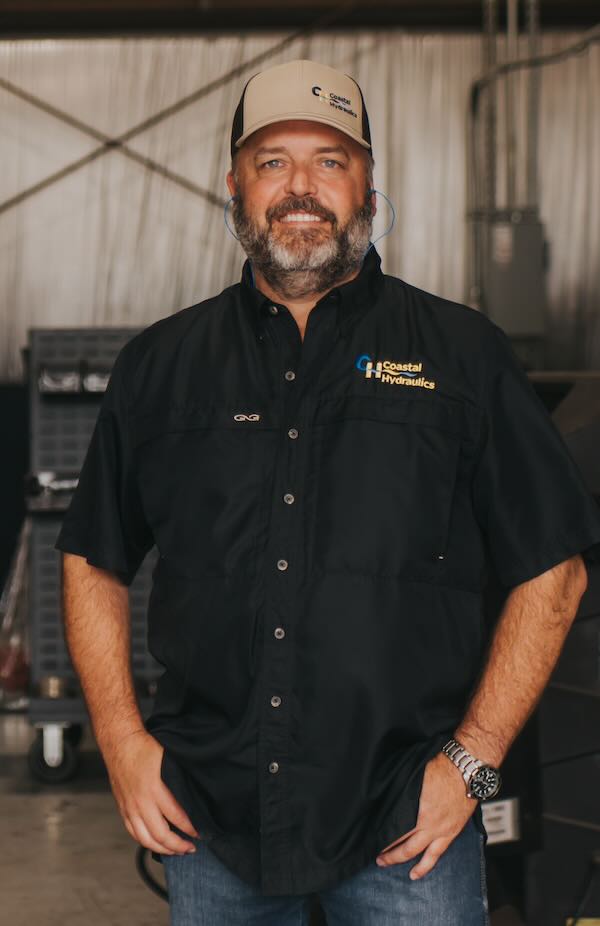
Wayne Rodick is the owner and founder of Coastal Hydraulics, a company built on the principle of “Speed to Recovery.” A U.S. Navy veteran, Wayne developed extensive hydraulic expertise while maintaining F-18 fighter jets, where precision, reliability, and rapid service were critical. Today, he brings that same commitment to excellence to the hydraulic repair industry, leading a team dedicated to delivering fast, dependable repairs that minimize downtime and keep equipment operating at peak performance.