

Last Updated on July 23, 2026 by Wayne Rodick
Hydraulic pumps are the backbone of any hydraulic system that converts mechanical energy into hydraulic power. They play an important role in many different types of machines such as construction machinery and factories. Here at Coastal Hydraulics, we understand that it is the condition of the hydraulic pump that will determine the efficiency of the operation. Component testing for safety is an essential step in our process. Testing and inspection are much more than just regular maintenance for this function.
It is important that you carry out hydraulic pump testing in order to be aware of any possible issues that may culminate in disastrous breakdowns. Downtime can be very costly, and it is not only such circumstances that are accompanied by repair costs. By sticking to this testing schedule, you can promote the longevity of equipment, and it will provide you and those around you with a safer work environment and optimal performance. Here is the professional process for hydraulic pump testing.
How Hydraulic Pump Tests are Conducted
Systematic methods and approaches are vital for achieving accuracy and reliability in results. Our technicians use a comprehensive process that helps them assess every aspect of pump functionality.
Visual Inspection/Loss Detection
Before plugging in any of the testing equipment, we perform a visual inspection. Here, we check for any sign of wear and tear on the pump, including any damage to the casing, leaking seals or fittings, and any discoloration in the hydraulic fluid, which can affect the inner parts of the pump. In many cases, this first round of testing can yield some important clues about the pump.
Creation of Test Bench Environment
Then, we mount the pump on the test bench in a secure manner. In this way, it is possible to imitate operating conditions in controlled environments. This setup acts as the stage for a hydraulic pump test, ensuring that each aspect of the pump’s performance can be thoroughly evaluated.
Next, the pump is connected to the hydraulic power unit and the gauges and flowmeters are attached to the inlet and outlet of the pump. Our first and foremost concern is safety, and thus, we verify that the connectors are securely and tightly connected.
Conducting the Test
Now that the setup is accomplished, we are about to continue the testing process. We turn on the motor and slowly increase the pressure to the level at which the pump needs to operate. Using a hydraulic pressure test pump, we monitor the flow rate, pressure, and temperature. In this case, we carry out the “no load” test in order to confirm whether the system is capable of working when it is initially started and whether it can work under stress.
Interpreting Test Results
Data analysis is very essential in pump diagnosis. Our analysis will be centered on three parameters: pressure, rate of flow, and efficiency. In effect, for a healthy pump, the rate of flow should be constant when the level of pressure changes. If the rate of flow is substantially lowered when the level of pressure is increased, it means that the pump needs some repairs and may be leaking due to wear and tear. During this stage, testing hydraulic pressure is crucial to accurately assess the pump’s condition and ensure reliable results.
Troubleshooting Common Problems in Hydraulic Pumps
In our testing, problems are commonly identified. For example, if the flow rates are low, it may be due to seals and pistons that need replacement. If it makes too much noise, it may be because of the effects of cavitation or bearings that are failing. If the pump is unable to create sufficient pressures, it may be due to problems in the relief valve or if it is wearing out on the inside.
Maintaining Your Systems at Peak Performance
Hydraulic pump testing on a regular basis is one of the basics of proactive maintenance. Hydraulic pump testing can provide you with the insights you need to prevent possible failures and ensure that your equipment functions in an optimal manner. If you’ve observed any indications of possible loss of efficiency in your hydraulic pumps or systems, don’t delay until you face further problems. Contact the friendly team at Coastal Hydraulics today!
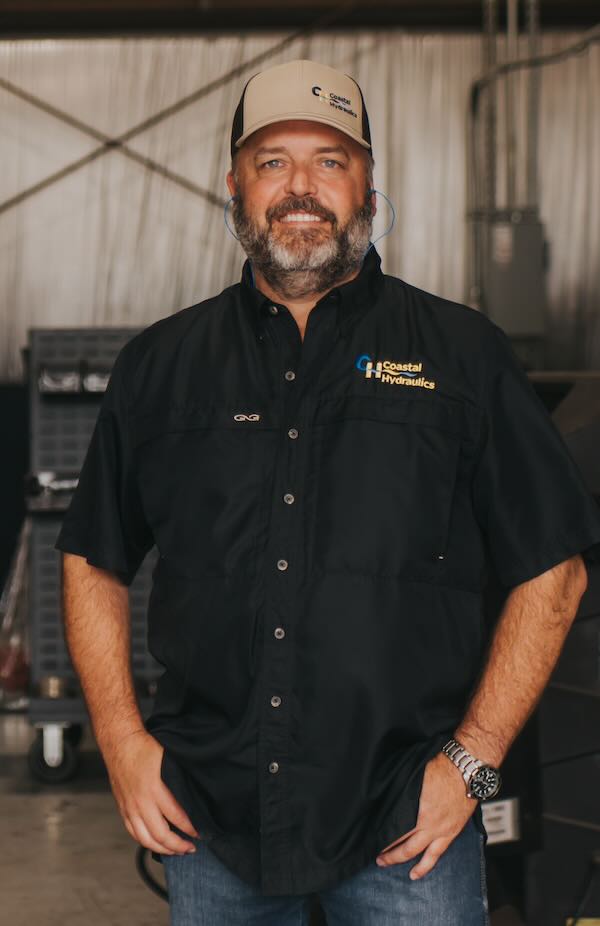
Wayne Rodick is the owner and founder of Coastal Hydraulics, a company built on the principle of “Speed to Recovery.” A U.S. Navy veteran, Wayne developed extensive hydraulic expertise while maintaining F-18 fighter jets, where precision, reliability, and rapid service were critical. Today, he brings that same commitment to excellence to the hydraulic repair industry, leading a team dedicated to delivering fast, dependable repairs that minimize downtime and keep equipment operating at peak performance.