
Last Updated on June 23, 2026 by Wayne Rodick
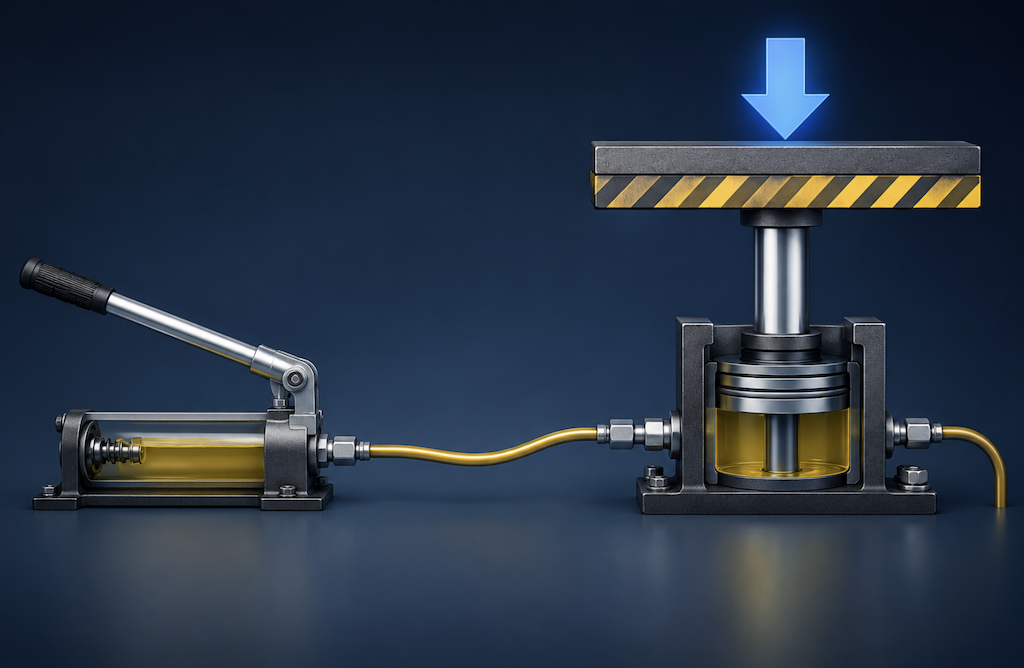
There is one single element that plays the most vital role in this process. To understand the translation of fluid power into brute force, it is necessary to take a closer look at the source of that power and which component creates hydraulic pressure. Using laws of hydromechanics allows multiplying the force applied with fluid but to do it, you need to set the fluid in motion.
Some machine operators believe that all heavy lifting is done by the massive metal cylinders they can see externally. Although they perform physical lifting and lowering, they rely entirely on other systems to get their job done. If you need to keep your machines in good shape and prevent unexpected breakdowns, it is critical to find out exactly how fluid power starts.
Role of the Hydraulic Pumps
The short and simple answer to the question posed above is “hydraulic pumps”. However, as specialists who deal with fluid power repairs regularly at Coastal Hydraulics, we have to correct one misunderstanding about this element. Pumps do not create pressure. In contrast, they generate fluid flow, making them the hydraulic pressure source that starts the entire process. This process involves the suction of hydraulic oil from the main tank and pumping of fluid through an array of tubes.
Only after overcoming some resistance, the flowing fluid builds up the required pressure. It may arise from the load the machine lifts or from overcoming natural friction while passing through pipes and valves. In practice, when diagnosing a machine with malfunctioning pump, we often observe that it performs its functions flawlessly. Instead, there might be a fault in one of the components creating resistance.
Without a sufficient amount of liquid flow generated and without creating resistance, the machine becomes powerless in the literal sense of this word. We always tell our customers that the pump is the element that needs to create conditions for fluid movement while other components restrict this process to produce the pressure needed to complete the process. This is how hydraulic pressure is created.
How Hydraulic Pumps Work
Knowledge of the inner workings of these elements allows us to identify problems faster and fix them effectively. Turning of the shaft driven by the engine of the machine creates negative pressure in the inlet side. Under the influence of this vacuum, hydraulic fluid flows into the housing of the pump.
After getting in the interior of the pump, hydraulic fluid is grabbed with special mechanisms and pushed out to the outlet and into the hydraulic system. As liquid cannot be compressed, it is impossible to stop fluid flow; thus, it moves towards the direction of resistance. In simple terms, pressure in a hydraulic system is generated by resistance to that flow. Depending on the specific application, the construction of the pump’s interior differs greatly.
Gear Pumps
These pumps are widely used on heavy machines. They involve the rotation of two gears located closely together to create the movement of hydraulic fluid. Meshing between gear teeth catches fluid inside and carries it across the pump from inlet to outlet side. Gear pumps are easy to repair and reliable, which makes them popular in industrial settings.
Vane Pumps
In vane pumps, we can observe rotating rotor with slots in which sliding blades are placed. Off-center movement of the rotor within the cam ring provides for the sliding of blades against this ring due to the force of inertia. Such a process results in expansion and contraction of volumes for suction of fluid.
Piston Pumps
Whenever huge force is needed for heavy machines, piston pumps are the best solution to the problem. With this type, we speak of rapid movement of pistons arranged within a cylinder block. This reciprocation causes the suction and discharge of the fluid. Although piston pumps require meticulous repairs, their effectiveness remains unbeatable.
Frequently Asked Questions
Can A Malfunctioning Pump Break Down The Entire Machine?
Yes, if the pump fails, there won’t be enough flow in the system, so pressure cannot be built up. As flow is indispensable in this situation, it means that the whole machine becomes unable to perform any functions. During diagnosis, we make sure to check the flow of fluid first to eliminate a possibility of the machine being down altogether.
Why Does My Machine Experience Loss Of Pressure?
This problem occurs because heated fluid becomes much less viscous than when it is cold. Thus, fluid passes through seals and into the system rather than pressing them and building pressure. Frequent fluid changing and efficient cooling systems solve the issue effectively.
How Often Should I Maintain My Hydraulic Pumps?
The maintenance frequency depends on specific conditions and intensity of usage. For normal operation, it is reasonable to conduct an examination once every six months. When machines operate intensively, like in the manufacturing industry, it is better to inspect them quarterly to guarantee that everything is alright.
Make Sure Your Machines Stay Operational
Getting insight into how these systems function allows you to maximize their efficiency and extend the lifetime. The pump is the heart of the hydraulic system that allows generating a flow of fluid for applying pressure and completing tasks with great force. Knowing the mechanism of interaction between pump and other system parts allows finding early warning signs and performing timely repairs!

Wayne Rodick is the owner and founder of Coastal Hydraulics, a company built on the principle of “Speed to Recovery.” A U.S. Navy veteran, Wayne developed extensive hydraulic expertise while maintaining F-18 fighter jets, where precision, reliability, and rapid service were critical. Today, he brings that same commitment to excellence to the hydraulic repair industry, leading a team dedicated to delivering fast, dependable repairs that minimize downtime and keep equipment operating at peak performance.